
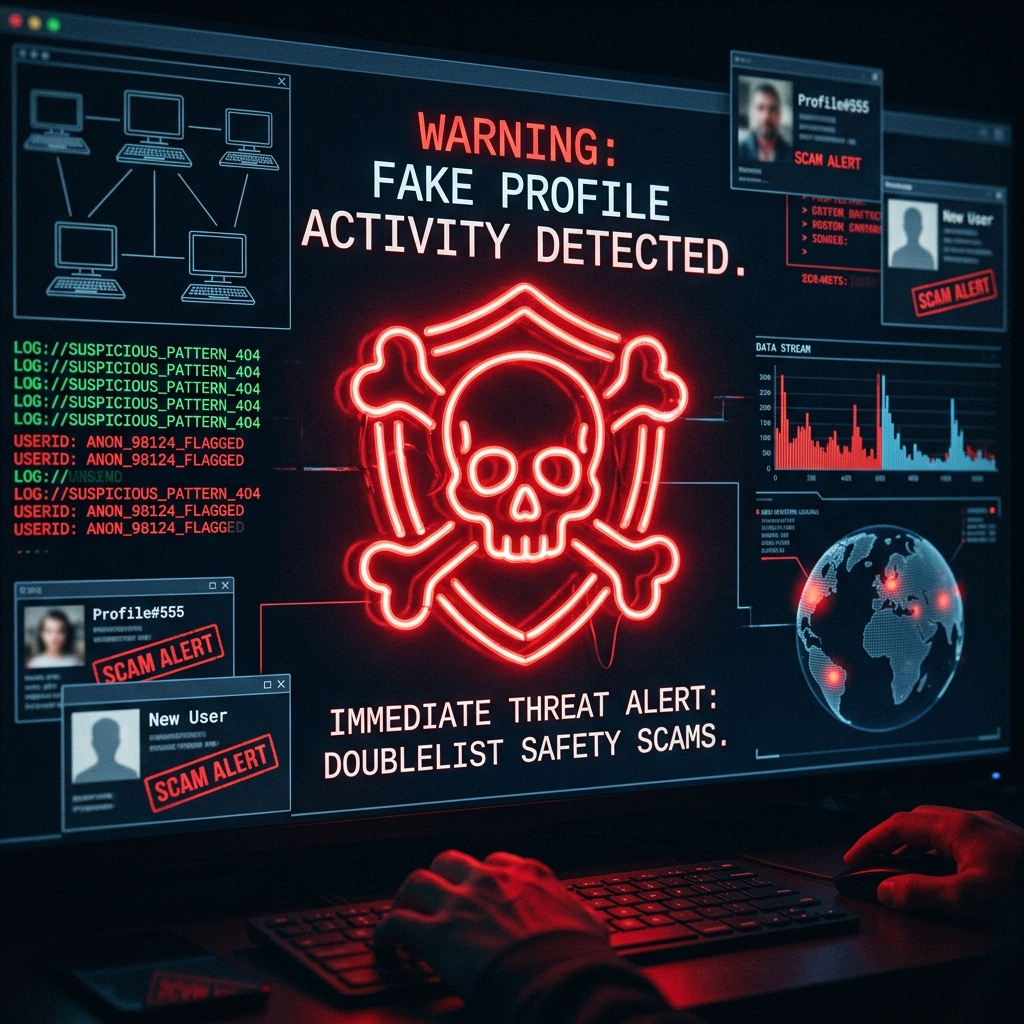
While Doublelist is a popular platform for casual encounters, its free and anonymous nature makes it a prime target for malicious actors. Understanding common Doublelist safety scams is critical for protecting your identity and finances. We detail the most prevalent threats and how to identify a Doublelist scammer.
The Threat of Extortion and Blackmail
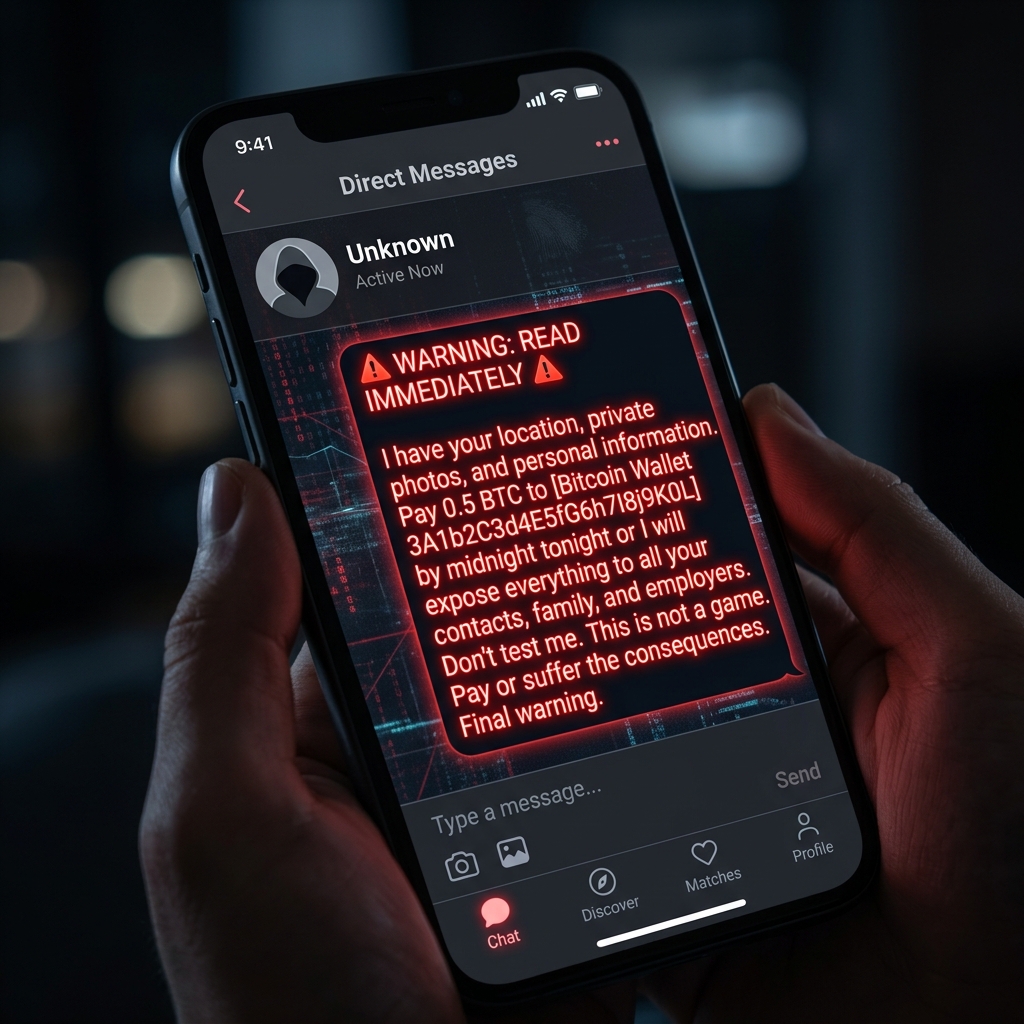
One of the most severe threats on the platform is Doublelist blackmail. Scammers create highly attractive fake profiles to lure victims into sending explicit photos or participating in video calls.
Once compromising material is obtained, the scammer threatens to release the images to the victim's friends, family, or employer unless a ransom is paid. This form of Doublelist extortion often utilizes untraceable payment methods like Cryptocurrency or wire transfers.
Financial and Romance Scams on the Platform
Many fake profiles operate as long-term financial drains. The "romance scammer" builds emotional trust over weeks, only to suddenly request money for a contrived emergency, such as a broken-down car or a medical bill.
Another common tactic involves the "verification scam." A user will ask you to verify your identity on a third-party website before meeting, claiming it is for their safety. In reality, these sites harvest your credit card information.
Fake Profiles and Bots: Are You Talking to a Real Person?
Doublelist bots are automated accounts designed to funnel users to premium cam sites or phishing pages. If a conversation feels robotic, progresses too quickly, or immediately requests you move to WhatsApp or Telegram, you are likely dealing with a bot.
Always inspect the profile carefully. If the photos look like professional modeling shots or if the ad text is generic and copied across multiple cities, it is a fake profile.
Essential Safety Tips for Using Doublelist
To safely navigate the platform, adhere to strict online security protocols.
- Never send funds: Under no circumstances should you send money, gift cards, or crypto to someone you have not met in person.
- Protect your identity: Do not share your real phone number or link your primary social media accounts. Use a burner number for initial communications.
- Meet publicly: Always verify their identity in a public setting before moving to a private location.